
The Cause
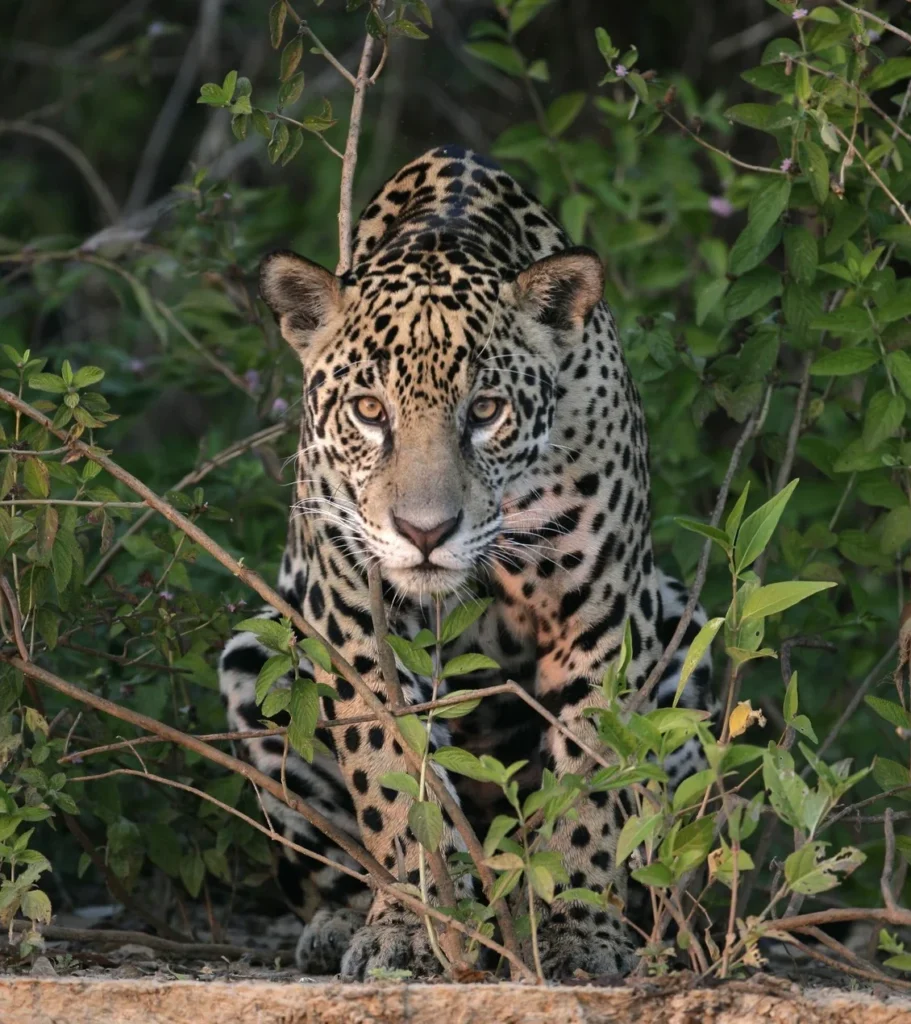
The largest feline in the Americas needs our help!
Brazil is home to the largest share of the world’s jaguar population, and the Amazon is the species’ main refuge, sheltering approximately 60% of the jaguars estimated to live in the country. Although exact figures are difficult to determine due to the animal’s elusive nature and the vastness of the biome, recent estimates suggest that the Amazon may be home to between 10,000 and 17,000 jaguars.
Within the Legal Amazon, the state of Pará stands out not only for its territorial size, but also for its significant areas of preserved forest that provide critical habitat for the species.
Today, jaguars live in 5 of Brazil’s 6 biomes: the Amazon, Pantanal, Cerrado, Atlantic Forest, and Caatinga.
Be part of the change. Your support is essential to ensuring a safer future for jaguars and all the biodiversity that depends on them.
Partner Oganizations:
With each Jaguar Parade edition, we join forces with organizations on the front lines of jaguar and biodiversity conservation. More than beneficiaries of the sculpture auctions, these institutions are true strategic partners, contributing technical expertise, up-to-date data, and content that enriches the exhibition experience.
We call these allies Jaguar Experts — essential voices that help take Jaguar Parade’s message beyond art, opening the public’s eyes to the urgent need to preserve the species and the ecosystems where it lives.
Together, we connect art, education, and socio-environmental impact. By working together, we strengthen the support network for the cause and expand the reach of conservation initiatives across Brazil and beyond.
Discover some of the institutions supporting our cause:
ONÇAFARI
Focused on safaris in the Pantanal led by biologists, Onçafari stands out for its wildlife observation, particularly jaguars, with a strong focus on animal safety. In addition to behavioral studies and conflict reduction, it carries out projects to reintroduce animals into the wild. Its mission is to conserve Brazilian wildlife while contributing to the country’s sustainable development.
Learn more at: https://oncafari.org/

PANTHERA
A global organization dedicated exclusively to the conservation of the world’s 40 wild cat species and their habitats. Founded in 2006, it operates in more than 40 countries, developing science-based strategies to protect big cats such as jaguars, tigers, lions, and leopards. Panthera also supports local communities and promotes public policies to ensure the survival of these predators, which are essential to healthy ecosystems.
Learn more at: https://pantherabr.com.br/

AMPARA SILVESTRE
AMPARA Silvestre is committed to protecting Brazilian wildlife by combating animal exploitation, trafficking, and hunting. Its projects focus on conservation, animal welfare, and rehabilitation, reflecting an unwavering commitment to protecting wildlife.
Learn more at: https://amparanimal.org.br/

SOS PANTANAL
SOS Pantanal is an organization founded in 2009 dedicated to the conservation of the Pantanal biome. Its work includes research, environmental education, and direct actions such as firefighting and the restoration of degraded areas. The NGO also promotes sustainable development and public policies to protect local biodiversity. It stands out for projects such as Raízes do Pantanal and Brigadas Pantaneiras.
Learn more at:: https://sospantanal.org.br/

Instituto Libio
A Brazilian NGO dedicated to protecting wildlife and preserving natural environments. It shelters and rehabilitates animals that are victims of trafficking and mistreatment, while also developing environmental education programs to raise awareness about the importance of conservation. The Institute also works to protect and restore forests, helping combat wildlife trafficking and hunting and promoting harmony between people and nature.
Learn more at: https://institutolibio.org.br/

Instituto Peabiru
Founded in 1998 in Belém, Pará, Instituto Peabiru works toward sustainability in the Eastern Amazon, promoting social empowerment and access to fundamental rights. With more than 200 projects completed, it works alongside traditional communities, family farmers, and partners such as UNICEF and Petrobras. Its work focuses on value chains, social protection, corporate action, and biodiversity conservation. The Institute is recognized for its participatory processes and socio-environmental transformation in the region. Its financial statements are audited, ensuring transparency and effective impact.
Learn more at: https://peabiru.org.br/

BRC (Brazil-Norway Biodiversity Research Consortium)
A partnership between five Brazilian and Norwegian institutions. Its focus is on producing scientific knowledge about the Eastern Brazilian Amazon. The consortium works to understand biodiversity, assess the impacts of mining, and develop strategies for restoring tropical forests, with special attention to biological diversity and soil health.
Learn more at: https://www.brcbn.com/